

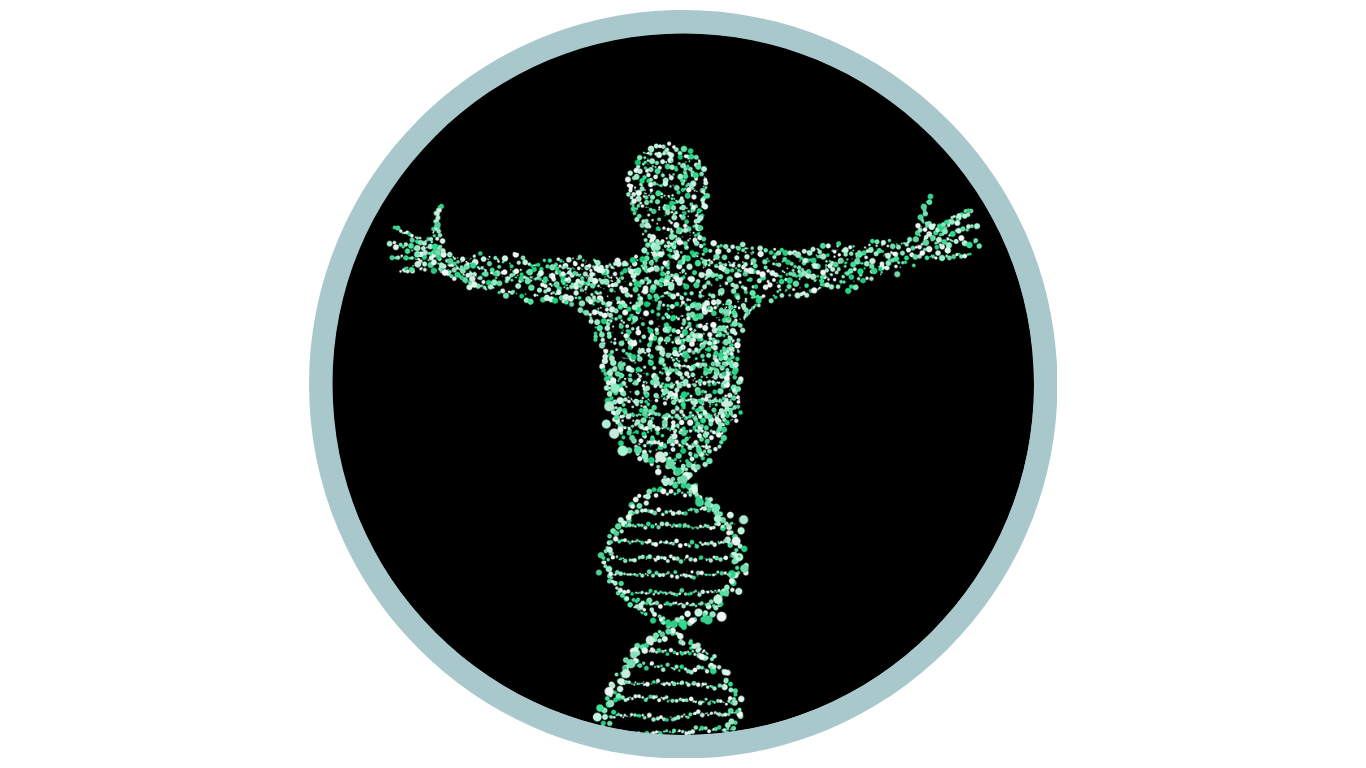
1. Você pode reprogramar os seus genes
Mais do que determinar as suas características hereditárias fixas, os genes são responsáveis por direcionar continuamente a produção das proteínas que controlam como funciona o seu corpo a cada segundo. Os genes ligam-se ou desligam-se apenas como resposta aos sinais que recebem do ambiente que os rodeia. Sinais que você fornece com: os seus comportamentos, os alimentos que come, o tipo de exercício que faz (ou não faz), os seus hábitos de sono, a sua exposição solar e assim por diante.
Referências
Vitamin D as a promising anticancer agent
Cigarette smoking and DNA methylation
REGULATION OF VITAMIN C TRANSPORT
Effect of n-3 fatty acids on the expression of inflammatory genes in THP-1 macrophages
The inflammation theory of disease
Non-steroidal anti-inflammatory drugs and gastrointestinal damage—problems and solutions
Metabolic, Endocrine, and Immune Consequences of Sleep Deprivation

2. As pistas para a expressão genética ideal encontram-se na evolução
Os 2,5 milhões de anos de pressão seletiva natural e as circunstâncias ambientais adversas criaram a receita genética perfeita para a saúde humana e a longevidade da espécie. Os nossos genes esperam que sejamos magros, que estejamos em forma e saudáveis e que tenhamos comportamentos de estilo de vida e de dieta semelhantes aos dos nossos antepassados caçadores-recolectores; mesmo no contexto de uma vida moderna agitada. As plantas e os animais (carne, peixe, aves, ovos, produtos hortícolas, frutos, frutos de casca rija e sementes) devem constituir a totalidade da dieta humana, com alguma permissão, para a ingestão moderada de certos alimentos modernos. Quanto à forma e frequência dos exercícios, menos é muitas vezes mais.
Veja...
AS 10 LEIS DE ESTILO DE VIDA SAUDÁVEL
Referências
The Neanderthal Meal: A New Perspective Using Faecal Biomarkers
Cytotoxicity and genotoxicity of lipid-oxidation products
Trans fatty acids - effects on systemic inflammation and endothelial function
Trans Fats Judged Major Villain in Cardiovascular Disease
Too Much Sitting: The Population-Health Science of Sedentary Behavior
Impact of acute sleep restriction on cortisol and leptin levels in young women
The impact of sleep deprivation on food desire in the human brain
The Metabolic Consequences of Sleep Deprivation
Cardiovascular, Inflammatory and Metabolic Consequences of Sleep Deprivation
Sleep Duration as a Risk Factor for the Development of Type 2 Diabetes
Crowding among Hunter-Gatherers: The !Kung Bushmen
Vitamin D: The “sunshine” vitamin
Older age becomes common late in human evolution
Longevity Among Hunter- Gatherers: A Cross-Cultural Examination
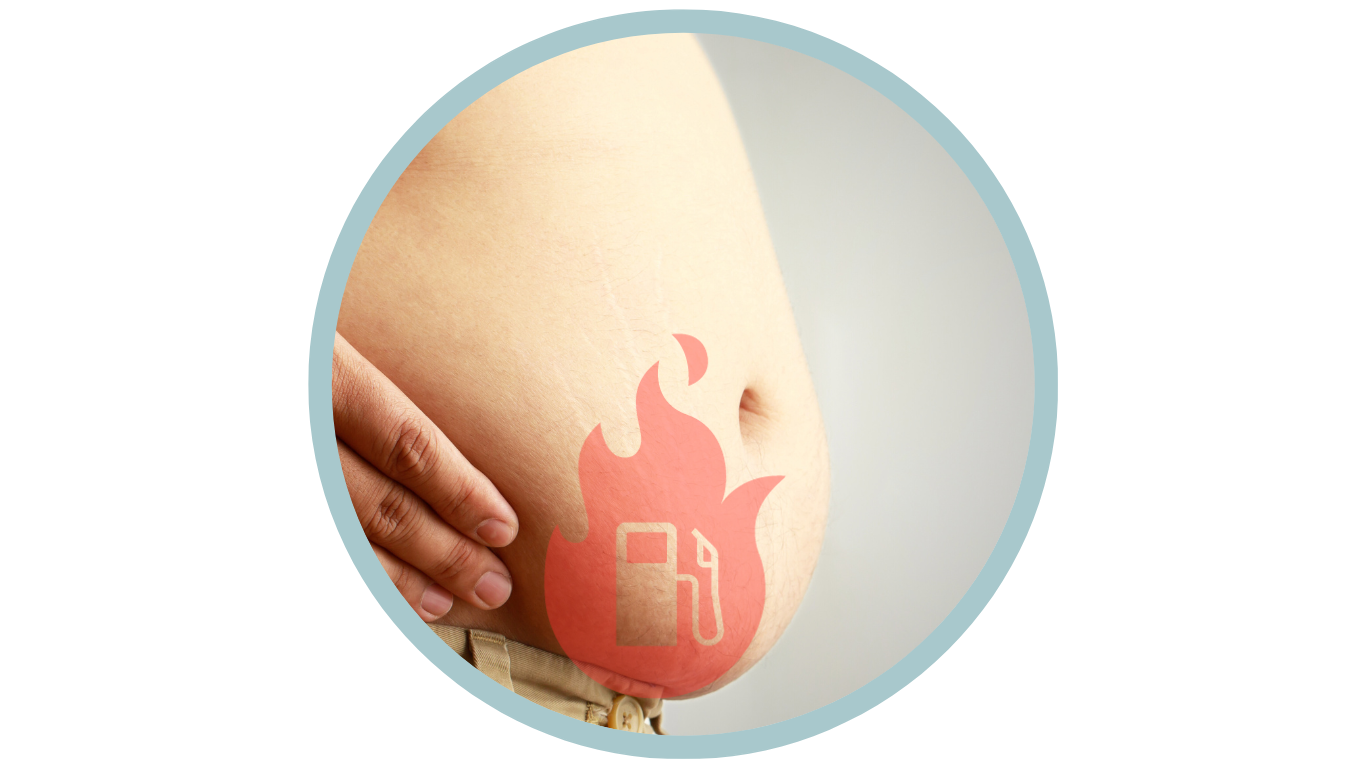
3. O seu corpo prefere queimar gordura em vez de carboidratos
A dieta fundamentada no conhecimento convencional baseada em grãos e com baixo teor de gordura criou um metabolismo artificial baseado em açúcar e carboidratos, no qual o indivíduo fica preso à necessidade de comer constantemente e experimenta pior qualidade de vida. A dieta ancestral permite mudar para o metabolismo energético baseado no consumo de gordura durante todo o dia. Foi esse metabolismo que permitiu a sobrevivência humana por 2,5 milhões de anos. Este é o aspeto mais libertador deste estilo de vida.
Referências
Very-low-carbohydrate diets and preservation of muscle mass
Problems associated with glucose toxicity: Role of hyperglycemia-induced oxidative stress
Metabolic characteristics of keto-adapted ultra-endurance runners
Advanced glycation endproducts and cigarette smoking
The clinical relevance of assessing advanced glycation endproducts accumulation in diabetes
Trans fats—sources, health risks and alternative approach - A review
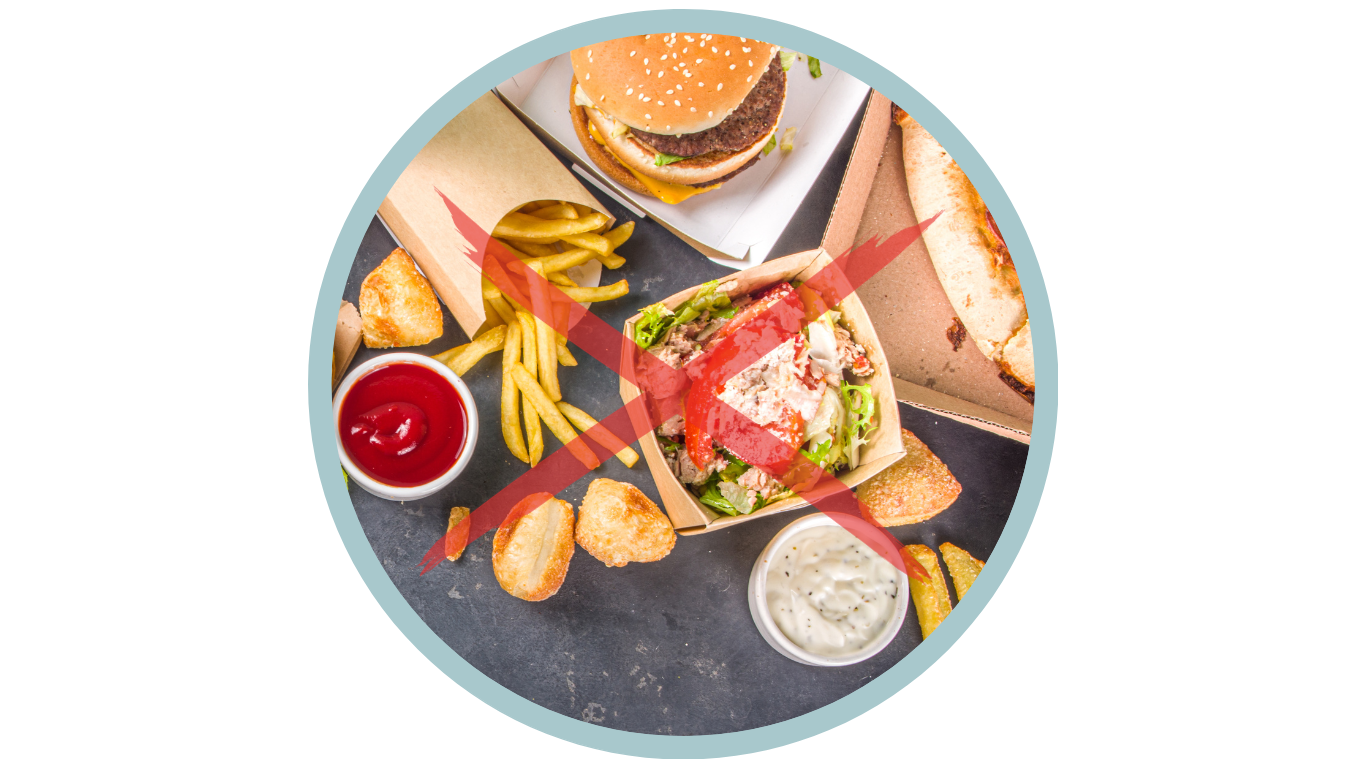
4. 80% do sucesso da sua composição corporal é determinado pela forma como come
Muitos alimentos modernos (mesmo aqueles que considerava saudáveis) fazem com que ganhe peso, acelere o envelhecimento e aumente o risco de ter doenças. Moderar a produção de insulina, eliminando grãos, açúcares e leguminosas, e reduzir a inflamação, eliminando gorduras artificiais nocivas, irá promover a redução eficiente do excesso de gordura corporal, a manutenção sem esforço da composição corporal ideal, o aumento dos níveis de energia diários, a diminuição do risco de doenças e o funcionamento ideal de vários outros sistemas hormonais (stress, apetite, imunidade, metabolismo, sono, entre outros).
Referências
Insulin Receptor: What Role in Breast Cancer?
Resolving the Paradox of Hepatic Insulin Resistance
Hyperinsulinemia as an Independent Risk Factor for Ischemic Heart Disease
The Role of Insulin Resistance in Nonalcoholic Fatty Liver Disease Get access Arrow
Hyperinsulinemia and risk of Alzheimer disease
A comparative study of thyroid hormone levels in diabetic and non-diabetic patients
Hyperinsulinemia causes activation of the hypothalamus-pituitary-adrenal axis in humans
Relationships between testosterone, cortisol and performance in professional cyclists
Obesity, leptin resistance, and the effects of insulin reduction
Molecular mechanisms regulating hormone-sensitive lipase and lipolysis
Triglycerides induce leptin resistance at the blood-brain barrier
Stress: Endocrine Physiology and Pathophysiology
Too Much Sitting: The Population-Health Science of Sedentary Behavior
Neurotransmitter modulation by the gut microbiota
Role of commensal gut bacteria in inflammatory bowel diseases
The role of intestinal microbiota in the pathogenesis of metabolic diseases
Evaluation of resistant starch content of cooked black beans, pinto beans, and chickpeas
The impact of regular self-weighing on weight management: a systematic literature review
The problem with weighing: effects on mood, self-esteem and body image

5. Os grãos são totalmente desnecessários
Os grãos (incluindo os integrais), a peça central da dieta ocidental padrão, oferecem valor nutricional mínimo, promovem o armazenamento de gordura aumentando a insulina e contêm anti-nutrientes que promovem a inflamação, comprometem a digestão e muitas vezes interferem na função imunológica. Não há nenhuma boa razão para incluir grãos (ou leguminosas) na sua dieta, a menos que queira uma fonte barata de calorias que seja facilmente convertida em açúcar e armazenada como gordura.
Referências
Lectins, agglutinins, and their roles in autoimmune reactivities
Handbook of Plant Lectins: Properties and Biomedical Applications
Do dietary lectins cause disease?
The prevalence of celiac disease in the United States
Dietary modifications in atopic dermatitis: patient-reported outcomes
Arthritis associated with gluten-sensitive enteropathy
Non-coeliac gluten sensitivity and reproductive disorders
Impact of phytic acid on nutrient bioaccessibility and antioxidant properties of dehusked rice
Controlled trials of inositol in psychiatry
Hemolysis of human erythrocytes with saponin affects the membrane structure
Role of food-derived opioid peptides in the central nervous and gastrointestinal systems
The opioid effects of gluten exorphins: asymptomatic celiac disease
Decreased levels of heat shock proteins in gut epithelial cells after exposure to plant lectins
Exposure of infants to phyto-oestrogens from soy-based infant formula

6. A gordura saturada e o colesterol não são seus inimigos
A história do conhecimento convencional sobre doença cardíaca só é validada quando você ingere alimentos ricos em gordura, com uma tonelada de grãos e açúcares. O colesterol é uma das moléculas mais vitais e importantes do corpo humano. A gordura saturada é a que o nosso corpo prefere usar como combustível. Os verdadeiros fatores de risco para doenças cardíacas, a oxidação e a inflamação, são fortemente impulsionados pelas gorduras polinsaturadas, açúcares simples e refinados, excesso de produção de insulina e stress. A limitação de carboidratos processados e a ingestão de mais gorduras de alta qualidade e de alimentos não processados (incluindo gordura animal saturada) pode promover a melhoria da saúde, o controle do peso e a redução do risco de doenças cardíacas.
Referências
The fallacies of the lipid hypothesis
How good is the evidence for the lipid hypothesis?
Introduction to Lipids and Lipoproteins
Endothelial Dysfunction in Diabetes: The role of reparatory mechanisms
Insulin, Insulin Resistance, and Platelet Signaling in Diabetes
Mechanisms of nutritional and hormonal regulation of lipogenesis
HDL and cardiovascular disease
Oxidation of Linoleic Acid in Low-Density Lipoprotein: An Important Event in Atherogenesis
Interaction between sphingomyelin and oxysterols contributes to atherosclerosis and sudden death
Low density lipoprotein oxidation, antioxidants, and atherosclerosis
Cranberries inhibit LDL oxidation and induce LDL receptor expression in hepatocytes
TG/HDL ratio as surrogate marker for insulin resistance
Vitamin D Fact Sheet for Health Professionals
Coenzyme Q10 and Statin-Induced Mitochondrial Dysfunction
Hit or miss: the new cholesterol targets

7. Não se consegue gerir o peso só com exercício
Queimar calorias através do exercício tem pouca influência na sua capacidade de alcançar e manter a composição corporal ideal. Quando depende de carboidratos (glicose) como combustível principal, o exercício estimula simplesmente o aumento do apetite e a ingestão de calorias. Os padrões de exercício crónico inibem o metabolismo da gordura, promovem a redução do tecido muscular magro, e podem levar à fadiga, a lesões e a esgotamento. Os seus genes gostam de caminhar ao ar livre.
Referências
Appetite regulation in response to sitting and energy imbalance
Too Much Sitting: The Population-Health Science of Sedentary Behavior
Difference in caloric expenditure in sitting versus standing desks
Stress and the neuroendocrine system: the role of exercise as a stressor and modifier of stress
Psychological Stress and the Human Immune System: A Meta-Analytic Study of 30 Years of Inquiry
The Long-Term Game: An Analysis of the Life Expectancy of National Football League Players
Effects of exercise training on mitochondrial function in patients with type 2 diabetes
Effects of Exercise on Mitochondrial Content and Function in Aging Human Skeletal Muscle
White Paper: MAF Exercise Heart Rate – How it can help improve health and sports performance
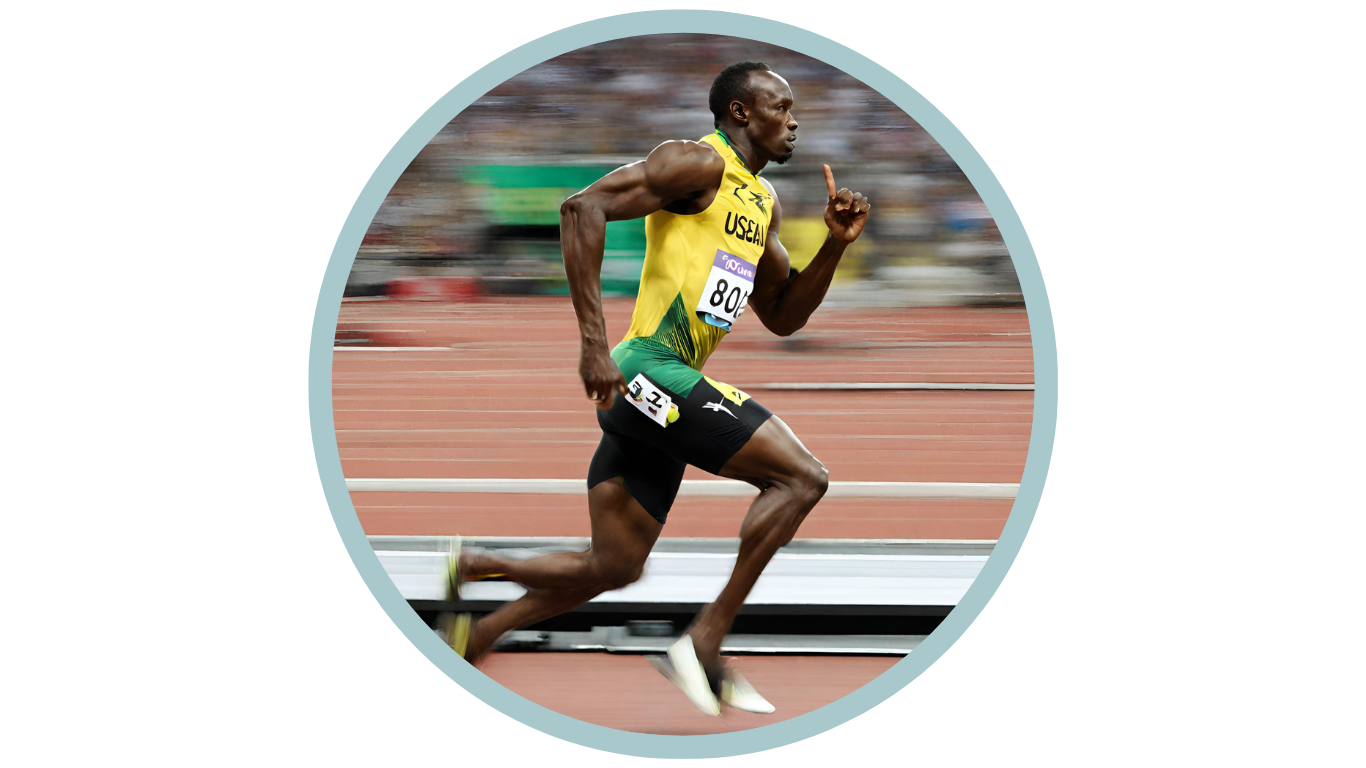
8. A condição física máxima pode ser alcançada em tempo mínimo com exercícios de alta intensidade
Sessões regulares e breves de treinos de força intenso e sprints ocasionais, promovem a expressão genética ideal e ampla competência atlética. Desfrute de mais benefícios numa fração do tempo gasto com planos de exercício crónico promovidos pelo conhecimento convencional.
Referências
Sprint interval running increases insulin sensitivity in young healthy subjects
Dihydrotestosterone is elevated following sprint exercise in healthy young men
Sprint-based exercise and cognitive function in adolescents
Energy system interaction and relative contribution during maximal exercise
Metabolic characteristics of keto-adapted ultra-endurance runners
Mitochondrial enzyme activities as biochemical markers of aging
Acute Effect of Passive Static Stretching on Lower-Body Strength in Moderately Trained Men
The effectiveness of manual stretching in the treatment of plantar heel pain: a systematic review